
Laparoscopic Surgery for Diabetic Patients: Risks & Precautions
Laparoscopic Surgery for Diabetic Patients: Risks & Precautions is a very important topic for people living with diabetes. Many diabetic patients worry whether surgery is safe for them. The good news is that laparoscopic surgery is generally safer than traditional open surgery, but it still requires proper planning and precautions to avoid complications.
If you are considering surgery, consulting an experienced specialist like Dr Sunny Agarwal can help you undergo the procedure safely with minimal risks.
What is Laparoscopic Surgery?
Laparoscopic surgery is a modern surgical technique where doctors make small cuts instead of large incisions. A camera (laparoscope) and special tools are used to perform the surgery.
This method is widely used for:
- Gallbladder removal
- Hernia repair
- Appendix surgery
- Piles treatment
Many patients prefer laparoscopic treatment in Chembur because it offers faster recovery and less pain compared to traditional surgery.
Is Laparoscopic Surgery Safe for Diabetic Patients?
Yes, laparoscopic surgery is generally safe for diabetic patients when performed under expert supervision. In fact, it is often recommended because:
- Smaller wounds reduce infection risk
- Faster healing compared to open surgery
- Shorter hospital stay
- Less stress on the body
However, diabetes can affect the body’s healing ability, so proper precautions must be taken.
Consulting the best laparoscopic specialist doctor in Chembur ensures that your diabetes is well-managed before surgery.
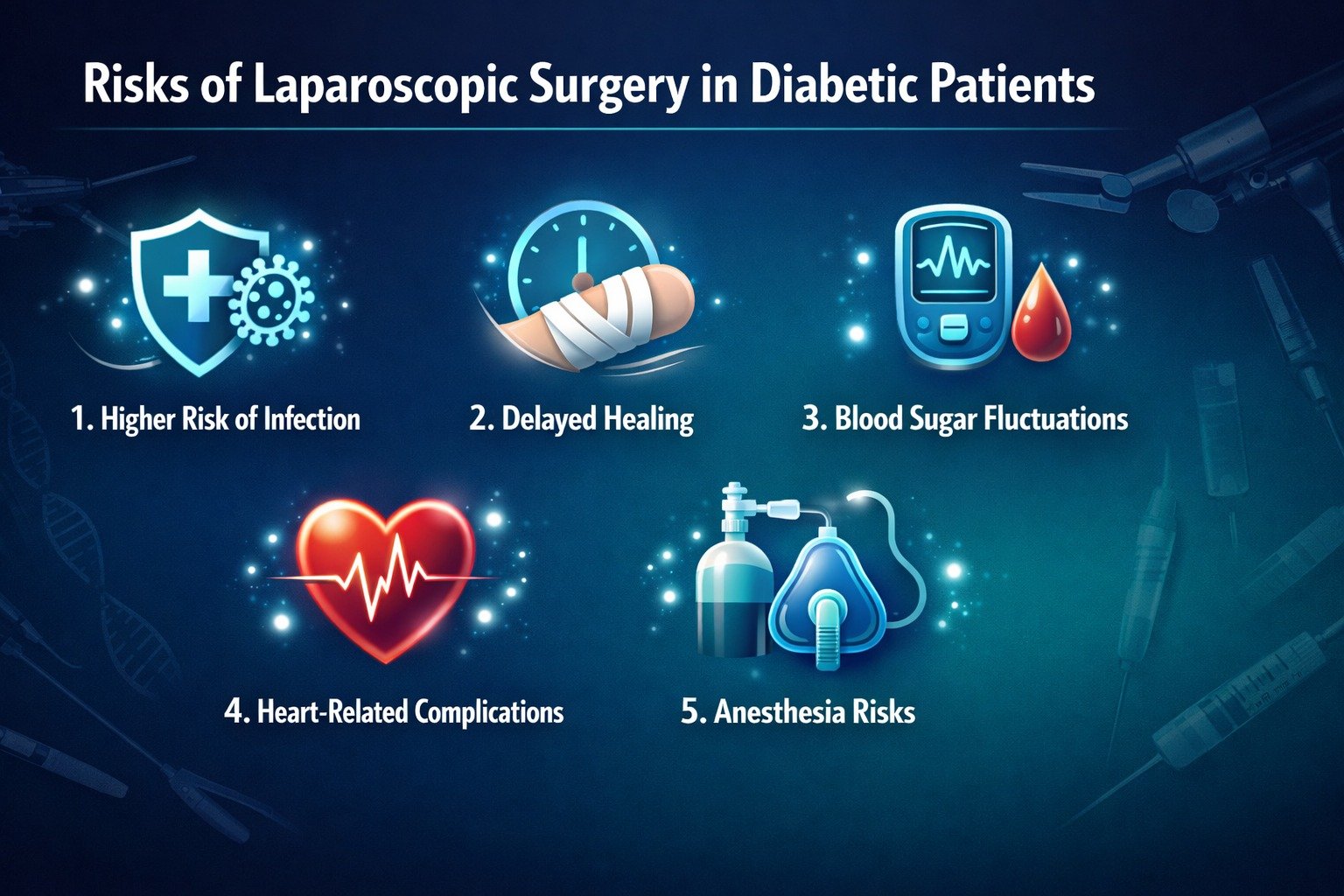
Risks of Laparoscopic Surgery in Diabetic Patients
Even though laparoscopic surgery is advanced and minimally invasive, diabetic patients may face some risks:
1. Higher Risk of Infection
Diabetes weakens the immune system, making it easier for infections to occur after surgery.
2. Delayed Healing
High blood sugar levels can slow down wound healing, even with small incisions.
3. Blood Sugar Fluctuations
Surgery stress can cause sudden increases or decreases in blood sugar levels.
4. Heart-Related Complications
Diabetic patients may have a higher risk of cardiovascular issues during surgery.
5. Anesthesia Risks
Diabetes can affect how the body reacts to anesthesia, requiring careful monitoring.
Choosing an experienced laparoscopic surgeon in Chembur can greatly reduce these risks.
Important Precautions Before Surgery
Preparation is the most important step for diabetic patients. Here are key precautions:
✔ Maintain Blood Sugar Levels
Keep your blood sugar under control for at least 1–2 weeks before surgery.
✔ Complete Medical Check-Up
Your doctor may recommend:
- Blood tests
- ECG
- Kidney function tests
✔ Medication Management
Some diabetes medications or insulin doses may need adjustment before surgery.
✔ Healthy Diet
Follow a diabetic-friendly diet to improve your immunity and healing capacity.
✔ Stop Smoking & Alcohol
These can delay healing and increase complications.
✔ Choose the Right Doctor
A qualified laparoscopic doctor in Chembur will guide you through safe surgical planning.
Precautions During Surgery
During the procedure, doctors take extra care of diabetic patients:
- Continuous monitoring of blood sugar levels
- Use of safe anesthesia techniques
- Maintaining a sterile environment to prevent infection
- Minimizing tissue damage for faster recovery
At a best laparoscopic treatment center in Chembur advanced equipment and experienced surgeons ensure maximum safety.

Post-Surgery Care for Diabetic Patients
After surgery, proper care is essential for quick recovery:
✔ Monitor Blood Sugar
Check your glucose levels regularly to avoid complications.
✔ Take Medicines on Time
Follow your doctor’s instructions for antibiotics and diabetes medications.
✔ Maintain Hygiene
Keep the surgical area clean and dry.
✔ Follow Diet Plan
Eat protein-rich and diabetic-friendly foods for faster healing.
✔ Avoid Heavy Activities
Do not lift heavy objects or strain your body during recovery.
✔ Attend Follow-Ups
Regular check-ups help detect problems early.
Benefits of Laparoscopic Surgery for Diabetic Patients
Despite the risks, laparoscopic surgery offers many benefits:
- Smaller incisions reduce infection risk
- Faster healing and recovery
- Less pain and discomfort
- Short hospital stay
- Quick return to daily life
This is why many patients prefer a laparoscopic hospital in Chembur for safe and effective treatment.
Cost of Laparoscopic Surgery in Chembur
The cost of laparoscopic surgery in Chembur depends on several factors:
- Type of procedure
- Hospital facilities
- Surgeon’s experience
- Patient’s health condition
While costs may vary, choosing an experienced surgeon ensures better safety and long-term results.
Why Choose Dr Sunny Agarwal?
Dr Sunny Agarwal is a trusted and experienced surgeon known for advanced laparoscopic procedures. He specializes in treating high-risk patients, including those with diabetes.
Patients searching for a laparoscopic specialist doctor near me choose Dr Sunny Agarwal because of:
- Expertise in minimally invasive surgery
- Patient-focused approach
- Safe diabetic care protocols
- High success rate
If you are also dealing with piles or related issues, you can explore:
Laser Piles Treatment in Chembur
These resources help you find the right treatment and location easily.
Piles Treatment Chembur
Conclusion
Laparoscopic Surgery for Diabetic Patients: Risks & Precautions should not be ignored if you are planning surgery. While diabetes adds certain risks, proper preparation, expert care, and post-surgery management can ensure a safe and successful outcome.
Choosing an experienced specialist like Dr Sunny Agarwal and a reliable healthcare facility in Chembur can make a big difference in your recovery journey.
If you are experiencing symptoms or need surgical advice, consult a professional today and take the first step toward better health.